
As technology finds its way into every classroom and homework has become a central part of children’s daily routines in Elmira, New York, back and neck discomfort among students is on the rise. Whether you’re a parent of elementary schoolers, a high schooler yourself, or an educator looking to improve your students’ comfort, understanding the basics of ergonomics can make a significant difference. Here’s how you can help prevent pain and injuries with some simple, actionable ergonomic tips tailored to life in Elmira, NY.
Why Ergonomics Matter for Kids and Teens
Children and teenagers spend a big part of their day sitting—at desks, doing homework, and using devices for both learning and entertainment. Unfortunately, improper posture and poorly designed furniture can contribute to headaches, fatigue, and even chronic back issues. As a chiropractor practicing in Elmira, I frequently see students with posture-related complaints that could be prevented with some basic ergonomic adjustments.
The Elmira Lifestyle: Unique Challenges and Opportunities
Elmira’s blend of city amenities and rural surroundings means kids split time between screens and the outdoors. Local weather encourages indoor activities during long winters and rainy springs, while warm summers allow for more physical movement. This seasonal rhythm means students here need versatile ergonomic strategies for both in-school and at-home study spaces.
Setting Up an Ergonomic Study Space at Home
Families in Elmira often balance traditional homes with classic architecture and newer builds, meaning desk space and available furniture may vary widely. Here's how to optimize any study area:
- Choose the Right Chair: A chair that supports the lower back and allows feet to rest flat on the floor is ideal. If the chair is too high, use a footrest or a sturdy box.
- Adjust Desk Height: The desk surface should be about elbow height when seated. This prevents hunching and ensures comfortable arm positioning.
- Screen Position: Computer monitors or tablets should be at or just below eye level, about an arm’s length away, to prevent neck strain.
- Lighting Matters: Adequate lighting helps reduce eye strain. Place study areas near a window for natural light when possible, or use adjustable lamps during Elmira’s gray winter days.
Backpack Safety for Elmira Students
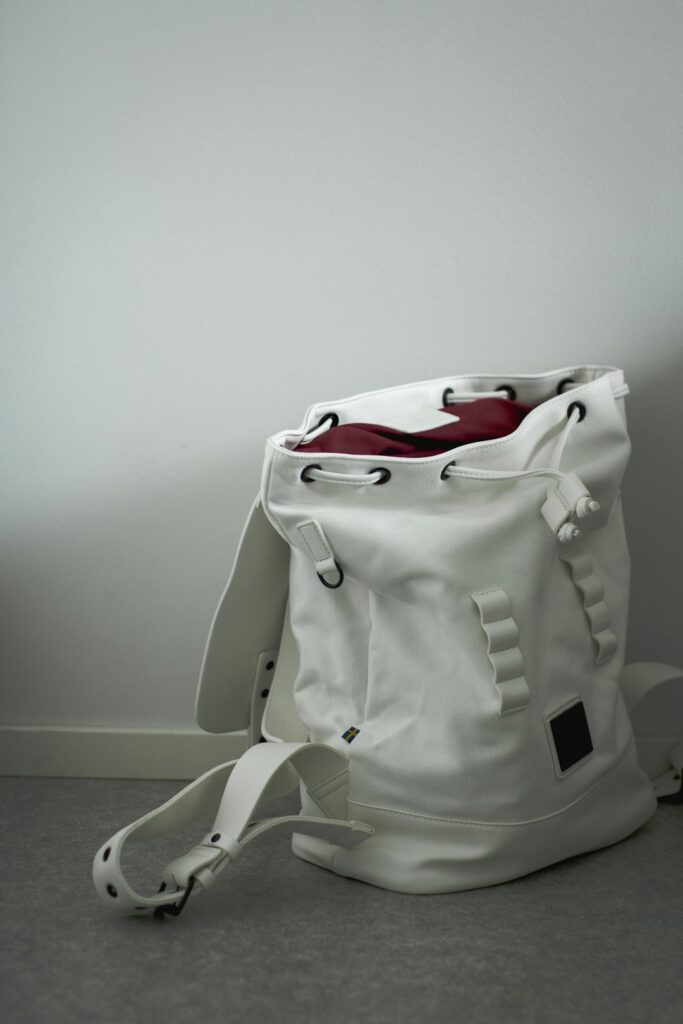
Walking to school or catching the bus on the city's picturesque but sometimes uneven sidewalks, Elmira kids often carry heavy backpacks. Poor backpack habits are a common culprit behind back discomfort:
- Lighten the Load: Encourage children to carry only what’s necessary. The backpack, when full, should not weigh more than 10-15% of the child’s body weight.
- Wear Both Straps: Always use both shoulder straps and adjust them so the pack sits in the middle of the back, not sagging below the waistline.
- Use Multiple Compartments: Distribute weight evenly in the backpack, keeping heavier items closest to the back.
Encouraging Active Breaks in the Southern Tier
Many Elmira kids enjoy after-school sports in parks like Eldridge Park, but long stretches of sitting are still common, especially during winter months:
- Take Regular Breaks: Remind students to stand up and stretch every 30 to 45 minutes. A few simple stretches can relieve muscle tension and boost focus.
- Move Between Subjects: Encourage students to walk around the house or do a quick chore between assignments.
- Outdoor Activities: Use Elmira’s beautiful green spaces for walking, biking, or playing when the weather allows—regular movement is crucial for spine health.
Ergonomics in Elmira’s Schools
Local schools are becoming more tech-centric, and teachers can help students practice healthy habits in classrooms:
- Flexible Seating: Where possible, schools can offer standing desks or alternative seating, such as stability balls, to give students posture-friendly options.
- Teach Postural Awareness: Educators and parents can work together to teach children about good posture, both through direct instruction and example.

Safe Device Use for Homework and Recreation
Screens aren’t going away—and with online learning now a normal part of Elmira life, smart device habits are essential:
- Hold Devices Eye-Level: Whether it’s a book, tablet, or phone, encourage students to hold devices at eye level to avoid neck flexion.
- Set Daily Limits: Help children break screen time into reasonable chunks with frequent breaks. Encourage “tech-free” hours, especially before bedtime.
Signs of Ergonomic Problems in Children
Parents and teachers should watch for signs that a child’s study setup might be causing pain:
- *Complaints of back, neck, or shoulder pain*
- *Frequent headaches, especially after school*
- *Slumping or leaning when sitting*
- *Fidgeting or trouble staying focused*
If these issues persist, a chiropractic or medical evaluation may be needed.
Local Resources for Healthy Posture and Ergonomics
Elmira’s community offers resources—from after-school fitness programs to specialty shoe stores and chiropractic clinics—that support children's musculoskeletal health. If you have questions about desk set-up or posture, many local professionals can provide personalized advice.
Final Thoughts: Building Lifelong Healthy Habits
Teaching students smart ergonomic habits helps them prevent pain and perform better, both in and out of the classroom. For Elmira families, this means making intentional choices at home and encouraging active lifestyles, even during our long upstate winters.
With consistent practice, these small changes will yield big rewards—healthy backs, happier students, and peace of mind for parents and teachers alike.