

Is chiropractic care generally safe?
For many adults, chiropractic care is considered reasonably safe when treatment is provided by a properly trained and licensed practitioner and matched to the person’s health history. The most common effects after spinal manipulation are temporary soreness, stiffness, tiredness, headache, or a short-term increase in discomfort. These effects usually improve within a day or a few days. ([nccih.nih.gov](https://www.nccih.nih.gov/health/spinal-manipulation-what-you-need-to-know?utm_source=openai))
“Generally safe” does not mean risk-free. Safety depends on the technique used, the area treated, the person’s medical conditions, and whether warning signs are identified before treatment begins. Spinal manipulation is different from gentler mobilization, which moves a joint within its normal range without a thrust. ([nccih.nih.gov](https://www.nccih.nih.gov/health/spinal-manipulation-what-you-need-to-know?utm_source=openai))
What should happen before an adjustment?
A responsible evaluation should come before treatment. This typically includes questions about current symptoms, previous injuries, surgeries, medications, bone health, neurological symptoms, and other medical conditions.
Residents may also want to explain recent events that could affect treatment choices, such as:
- A fall on ice, stairs, or an uneven walkway
- A vehicle collision or whiplash-type injury
- Repetitive lifting, yardwork, or snow removal
- New numbness, weakness, dizziness, or balance problems
- A recent infection, unexplained fever, or significant illness
In the Elmira area, seasonal snow and ice can contribute to slips, falls, and sudden back or neck strain. A new symptom after a fall should not automatically be treated as routine muscle tension. An examination may be needed to determine whether imaging, urgent medical evaluation, or a different form of care is more appropriate.
A person should also disclose blood-thinning medication, osteoporosis, cancer history, inflammatory disease, recent surgery, and pregnancy. These details do not automatically rule out all hands-on care, but they may change which techniques are appropriate—or whether treatment should be postponed.
Are neck adjustments dangerous?
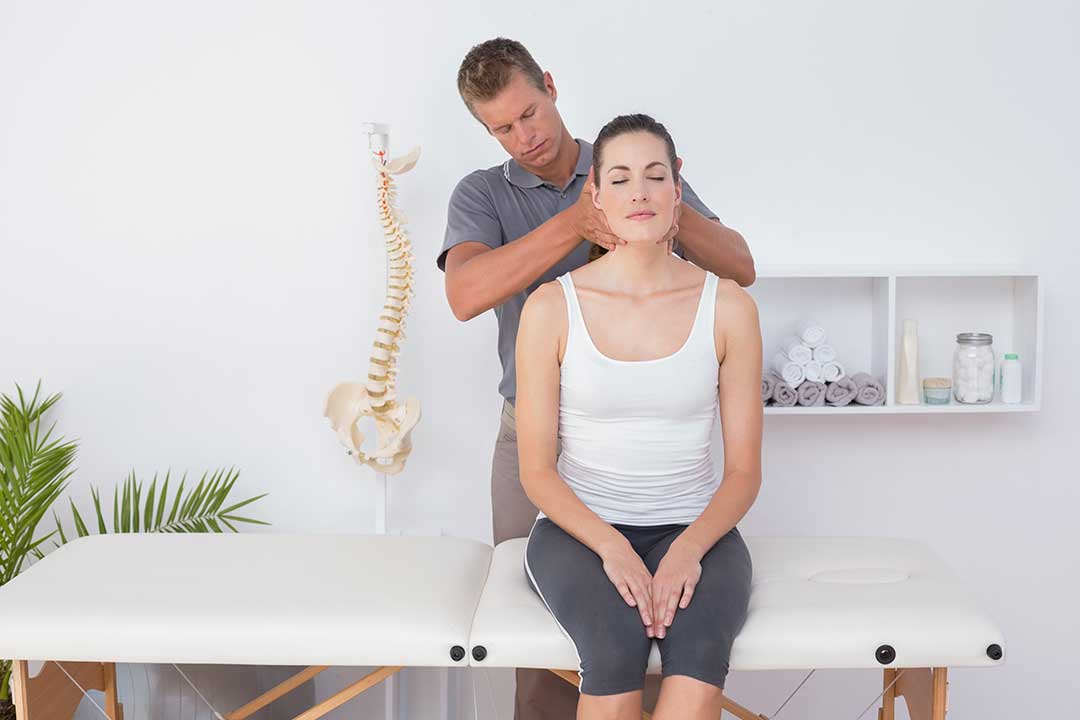
Neck manipulation deserves a more careful discussion than many people receive. Rare but serious events, including injury to an artery in the neck and stroke, have been reported after cervical manipulation. Research has not established in every case whether the manipulation caused the artery problem, because similar artery injuries can occur spontaneously or after sudden neck movement, sports injuries, whiplash, forceful coughing, or vomiting. Even so, the potential risk should be explained before treatment. ([nccih.nih.gov](https://www.nccih.nih.gov/health/spinal-manipulation-what-you-need-to-know?utm_source=openai))
A person should not feel pressured to have a neck thrust. It is reasonable to ask whether gentler mobilization, exercise, posture changes, or treatment directed at another area could address the same goal.
Seek emergency care immediately for symptoms such as:
- Sudden severe or unusual headache or neck pain
- Facial drooping, trouble speaking, or confusion
- New weakness or numbness, especially on one side
- Loss of coordination, severe dizziness, or trouble walking
- Sudden vision changes
These symptoms can have many causes, but they require urgent assessment rather than another manual treatment session.
Who may need extra caution?
Certain health problems can increase the chance of injury from forceful manipulation. Extra caution may be appropriate for people with:
- Severe or worsening osteoporosis
- Known spinal instability or a serious spinal disorder
- Recent fracture, surgery, or significant trauma
- Active cancer affecting bone
- Bleeding disorders or medicines that affect clotting
- Serious neurological symptoms
- Certain inflammatory or connective-tissue conditions
- Pregnancy, depending on the technique and stage of pregnancy
Evidence about spinal manipulation during pregnancy is limited, and serious complications appear to be very rare. Still, pregnancy should be disclosed, and treatment decisions should account for the person’s obstetric and general medical care. ([nccih.nih.gov](https://www.nccih.nih.gov/health/spinal-manipulation-what-you-need-to-know?utm_source=openai))
Children also require special consideration. Research on safety and effectiveness in children is limited, and rare serious complications have been reported with spinal manipulation. Parents and guardians should ask what condition is being treated, what evidence supports the approach, and what alternatives exist. ([nccih.nih.gov](https://www.nccih.nih.gov/health/children-and-the-use-of-complementary-health-approaches?utm_source=openai))
Can chiropractic care replace medical diagnosis or emergency care?
No. Chiropractic treatment may be used for some musculoskeletal complaints, including certain types of low-back or neck pain, but it should not be treated as a substitute for diagnosis when symptoms suggest infection, fracture, nerve compression, vascular problems, or another serious condition.
Urgent medical evaluation is especially important after major trauma or when back pain occurs with:
- Loss of bladder or bowel control
- Numbness in the groin or inner thighs
- Progressive leg weakness
- Fever, unexplained weight loss, or a history of cancer
- Severe pain that is constant or rapidly worsening
Spinal manipulation may provide modest improvement for some forms of low-back pain, but research does not support using it as a universal treatment for unrelated conditions. Evidence is stronger for selected musculoskeletal problems than for claims involving internal organs, immunity, or general disease prevention. ([nccih.nih.gov](https://www.nccih.nih.gov/health/spinal-manipulation-what-you-need-to-know?utm_source=openai))
What questions can help a person make a safer choice?
Before treatment, useful questions include:
- What is the likely cause of the pain?
- What findings make this technique appropriate?
- Is this manipulation, mobilization, exercise, or another approach?
- What are the common side effects and rare serious risks?
- Are there reasons to avoid neck manipulation in this situation?
- What other treatments could be considered?
- How will progress be measured?
- What symptoms should prompt medical evaluation?
A clear answer should include limits. No ethical provider can guarantee that an adjustment will correct every problem, permanently realign the spine, or prevent future illness.
What should someone do after treatment?
Mild soreness can occur, much like after unfamiliar exercise. Resting from strenuous activity for a short period, drinking fluids, and monitoring symptoms may be reasonable if the discomfort is minor and improving.
Pain that is severe, worsening, or accompanied by weakness, numbness, fainting, trouble speaking, severe headache, or loss of coordination should not be dismissed as a normal reaction. The person should seek prompt medical advice or emergency care depending on the symptoms.
The safest approach is informed and individualized: disclose the complete health history, understand the proposed technique, avoid treatment for unexplained red-flag symptoms, and reassess care if the condition is not improving.
