

What Are Spinal Adjustments and How Do They Affect the Body?
Spinal adjustments involve specific, controlled movements applied to parts of the spine, typically using a chiropractor’s hands or a specialized tool. These adjustments are intended to improve joint mobility and nervous system function by addressing areas where the spine's movement is restricted.
Unlike common misconceptions, these adjustments don't "snap bones back into place." Instead, the technique is more about restoring normal motion and alignment to the joints and tissues of the spine. When spinal joints become fixed or restricted (often from daily activities, accidents, or long-term posture), these changes can sometimes influence pain, movement, and even how nerves communicate with the rest of the body.
What Is Happening in the Spine During an Adjustment?
A spinal adjustment targets the joints between the vertebrae. These joints, called facet joints, rely on smooth movement for comfort and flexibility. During an adjustment, a quick but gentle force is applied to a specific joint. This can lead to:
- Improved joint mobility
- Temporary stretching of the surrounding muscles and ligaments
- A change in the pressure of fluids or gases within the joint, which can produce a popping or cracking sound
The sound (often called cavitation) is simply gas bubbles rapidly forming and dissipating—similar to opening a carbonated drink. This does not mean anything is "cracking" or breaking.
How Do Adjustments Affect the Nervous System?
The spine protects the spinal cord, which acts like a highway for nerve signals traveling between the brain and the body. If certain joints in the back or neck become stiff, the mobility changes can impact the nearby nerves.
Spinal adjustments may help restore movement, which could potentially:
- Reduce irritation around spinal nerves
- Improve communication between the brain and parts of the body
- Allow muscles supporting the spine to function more efficiently
Emerging research suggests that after a spinal adjustment, some people experience short-term changes in brain activity related to balance, posture, and muscular control. However, responses are individual and ongoing research continues to refine our understanding of these effects.
Why Do People Seek Spinal Adjustments in Elmira, NY?
Local residents may look to spinal adjustments for issues such as:
- Back or neck discomfort linked to work at a desk, local commuting, or household activities
- Discomfort after yardwork or slips on icy driveways, which are common during Elmira's winter months
- Episodic headaches suspected to be associated with the neck region
It’s not just discomfort or injury that motivates people. Some are interested in improving day-to-day mobility, particularly during seasonal changes when shoveling, gardening, or recreational activities place new demands on joints.
Does Science Support the Use of Spinal Adjustments?
Decades of research have investigated spinal adjustments. Key findings indicate:
- Short-term relief for certain types of back and neck pain, especially those linked to restricted joint movement
- Modest improvements in range of motion and function in some cases
- As with most interventions, results vary—factors like age, physical activity level, and general health can influence outcomes
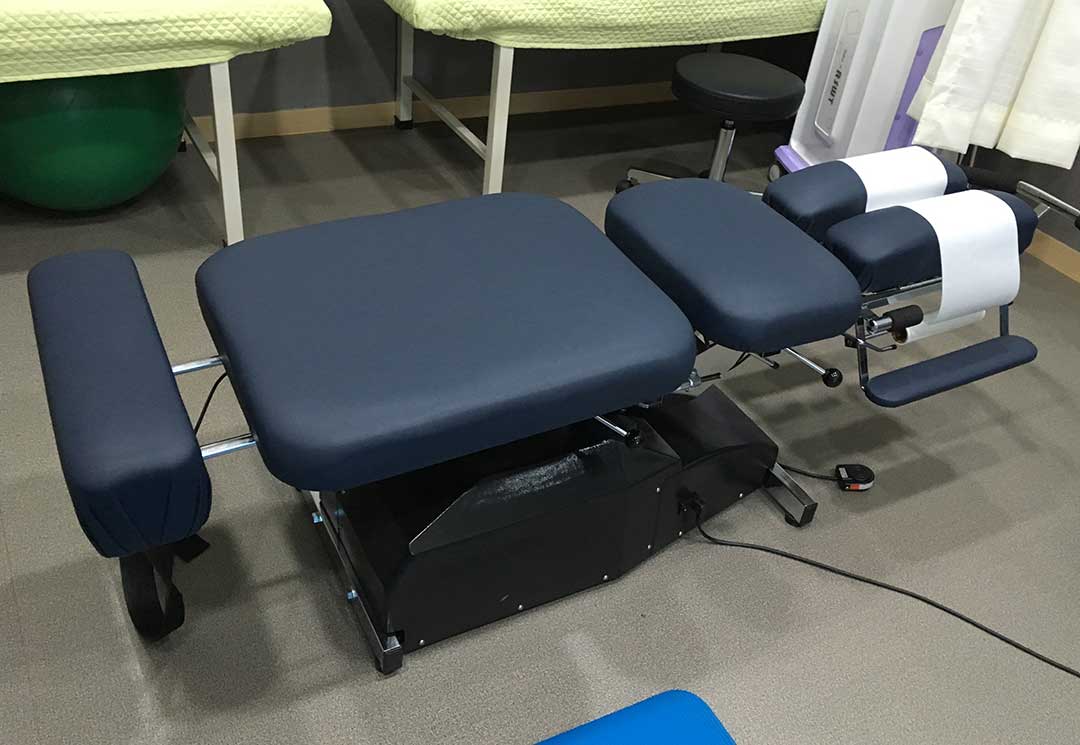
While adjustments can have benefits, they are not a cure-all. There is less scientific support for their use in treating non-musculoskeletal conditions. Health organizations generally suggest spinal adjustments as one part of a broader approach that may include exercise, activity modifications, and other measures.
Are Spinal Adjustments Safe?
Spinal adjustments, when performed appropriately, are widely considered safe for most people. Some mild, temporary soreness or fatigue might occur—this is a normal response as muscles and joints adapt to being mobilized after a period of stiffness.
However, certain health conditions—such as advanced osteoporosis, recent spinal fractures, or some neurological disorders—can make adjustments unsuitable. Talking over health history and current symptoms with a healthcare provider is important for anyone considering new treatments, particularly for older adults or those with complex medical histories.
What Are Common Myths and Misunderstandings?
Several misconceptions surround spinal adjustments:
- "Bones are put back in place": Joints are being mobilized, not forcefully realigned or reset.
- "Cracking the spine is always harmful": The popping sound is harmless and comes from gas within the joint, not from bones breaking.
- "Adjustments can fix any health problem": Scientific evidence supports their use mainly for certain types of musculoskeletal pain and mobility issues, not for treating unrelated illnesses.
Clear information helps local households make decisions grounded in facts rather than myths.
What Should Residents in Elmira, NY Keep in Mind?
Seasonal activities in the city can bring on different sources of strain—think raking leaves in autumn, snow shoveling in winter, or home improvement projects in spring. Preparing the body with regular movement, stretching, and awareness of proper lifting techniques can often help prevent discomfort that might lead someone to seek spinal adjustments.
If considering a new approach to managing discomfort or improving mobility, understanding the science behind spinal adjustments can help area households make informed, confidence-based choices tailored to their needs.
