
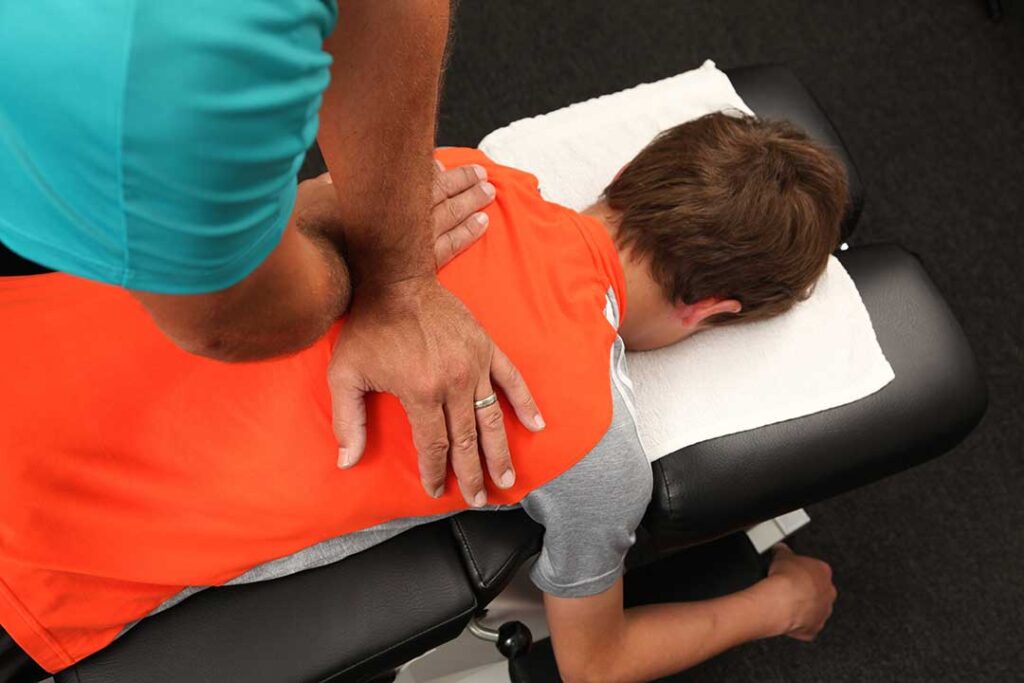
How Does the Health of Your Spine Affect Daily Activity?
A healthy spine allows you to move comfortably, maintain balance, and stay active in your community. When spinal health suffers, even everyday tasks—like walking the Chemung River trails or shoveling snow in winter—can become difficult or painful.
Proper spinal alignment ensures that the bones, discs, and nerves in the back function smoothly. Misalignment or injury can lead to pain, stiffness, or nerve-related symptoms, making household chores, gardening, driving, or participating in local events more challenging for residents.
What Are Common Signs That Poor Spinal Health Is Impacting Quality of Life?
Locals often notice gradual changes, not always immediate or severe pain. Symptoms may include:
- Recurring back or neck discomfort, especially after a day spent tending to a yard or playground.
- Less flexibility bending over to pick up groceries or assist with kids’ activities.
- Tingling or numbness in hands, arms, or legs.
- New headaches, especially after spending long hours at a desk or commuting during the winter months.
Many residents assume aches are a normal part of aging or work, but persistent symptoms often signal underlying issues with the spine or posture.
How Can Spinal Issues Affect Sleep, Mood, and Energy?
Discomfort and poor spinal mechanics can disrupt sleep, making it harder to feel rested. When spinal pain interrupts rest, people may feel more irritable, fatigued, and less motivated to engage in neighborhood gatherings or hobbies.
Persistent pain can influence mood and lead to reduced physical activity, which in turn may contribute to mild depression or feeling isolated, especially during Elmira's colder, darker months when cabin fever is common.
Are There Everyday Habits That Threaten Spinal Health in Local Households?
Yes—some routines common in area households can create or worsen back issues:
- Shoveling snow with poor posture or heavy lifting techniques.
- Long commutes on uneven roads, leading to slouched sitting.
- Prolonged periods sitting at home desks or couches, often with less-than-ideal support.
- Lifting children, groceries, or outdoor equipment without bending the knees.
Small habits, repeated over time, may gradually strain the spine and supporting muscles.
What Role Do Weather and Lifestyle Play for Residents?
Elmira’s seasonal swings mean alternating periods of snow, rain, and humidity. Cold weather can sometimes make muscles and joints feel stiffer, leading residents to be less active or to move more cautiously—both of which can impact spinal flexibility.
Local pastimes, from hiking at area parks to participating in recreational sports, also put demands on spinal health. Inactivity during the winter or sudden bursts of activity as spring returns can both contribute to back strains or aches, especially if flexibility and core strength are lacking.
How Do Spinal Nerves Influence Other Systems in the Body?
The spine protects nerves that branch out to every part of the body. When spinal alignment is off or if nerves become compressed, symptoms can extend beyond obvious back pain. For example:
- Poor posture may contribute to recurring headaches.
- Nerve irritation may cause muscle weakness or shooting pain in arms and legs.
- Digestive issues or changes in bladder function, though less common, can sometimes be traced to spinal problems.

Residents sometimes overlook the connection between spinal health and these less-direct symptoms, attributing them instead to stress, diet, or unrelated illness.
What Local Activities and Modifications Support a Healthy Spine?
Staying active within the community is key, but it’s helpful to make small, safe adjustments that support long-term health:
- Walk with supportive shoes and use maintained sidewalks or park paths to avoid uneven footing.
- When gardening or doing yard work, alternate tasks often and take stretch breaks.
- Keep shovels and other tools close to the body to avoid overreaching.
- Use chairs with proper back support, and try to vary posture during long periods sitting indoors.
Community spaces like walking trails or recreation centers can encourage gentle, regular activity even in colder seasons, which helps maintain flexibility and core strength needed for back support.
How Can You Tell If It’s Time to Seek Guidance About Spinal Health?
If back or neck discomfort persists for weeks, limits daily activities, or is accompanied by leg weakness, numbness, or changes in bladder control, it’s worth investigating further. Most back aches from minor strains improve with rest and gentle movement. But symptoms that linger or disrupt normal life—like being unable to carry laundry, play with children, or sleep through the night—warrant closer attention.
While self-care suits most mild aches, any sudden, severe pain, unsteadiness, or concerning neurological symptoms should be discussed with a healthcare professional.
What Are Common Misconceptions About Spinal Health Among Residents?
Some common misunderstandings include:
- Believing pain is just part of getting older and nothing can be done.
- Thinking back problems only come from injuries or heavy lifting.
- Assuming “resting” or avoiding activities will always help the spine heal faster (gentle movement is often better for recovery).
Understanding that spinal health impacts overall well-being—and recognizing both subtle and severe symptoms—can help local residents make decisions that support a more active, comfortable lifestyle throughout the seasons.
