
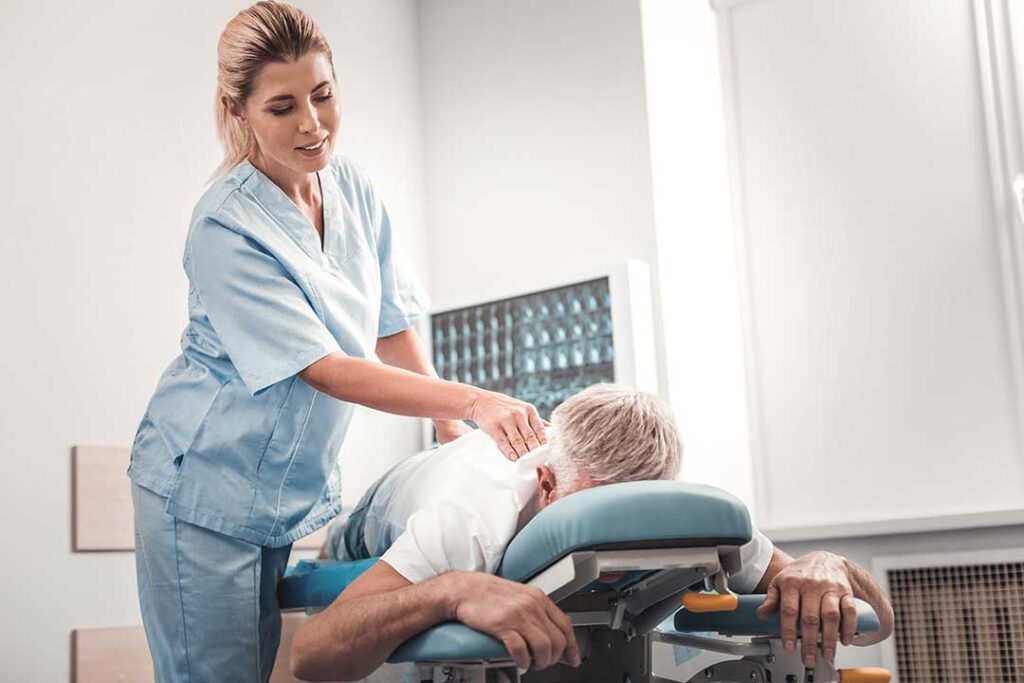
What Are the Main Differences Between Chiropractic and Massage Therapy?
Chiropractic care and massage therapy are both hands-on approaches used to address pain, tension, and mobility issues, but their main goals, techniques, and professional training differ. Understanding these distinctions helps residents decide which might suit their needs, especially given Elmira, NY’s climate, active lifestyles, and seasonal activities.
Chiropractic is focused on the diagnosis and treatment of neuromusculoskeletal disorders, particularly issues related to the spine and joints. Massage therapy primarily addresses soft tissues, like muscles and fascia, using manual techniques to promote relaxation and improve circulation.
How Does Each Method Work?
Chiropractic uses specific adjustments, typically on the spine but sometimes on other joints, to restore alignment, improve nerve function, and support the body’s natural healing processes. These adjustments are controlled, targeted motions that often produce a “pop” or release.
Massage therapy involves kneading, rubbing, and manipulating the soft tissues to reduce muscle tension, boost blood flow, and promote relaxation. Techniques can range from gentle Swedish massage to deeper tissue work intended to reach underlying muscle layers.
In Elmira, where icy sidewalks in winter and outdoor sports in summer can lead to both acute injuries and chronic strains, residents might seek out either method based on the nature of their discomfort.
What Issues Do Chiropractic and Massage Therapy Each Address?
Both approaches can help with pain and stress, but the underlying focus is different:
- Chiropractic is commonly sought for:
- Back and neck pain
- Joint issues (such as shoulders, hips, or knees)
- Headaches related to spinal alignment
- Sciatica
- Mobility and posture issues
- Massage therapy often targets:
- Muscle soreness or tension
- Stress and anxiety management
- General relaxation and wellness
- Recovery from local muscle overuse, such as from shoveling snow or gardening
Notably, some local residents benefit from both treatments, for example, after a slip on icy pavement causes both a sore back and tense muscles.
What Training Do Practitioners Have?
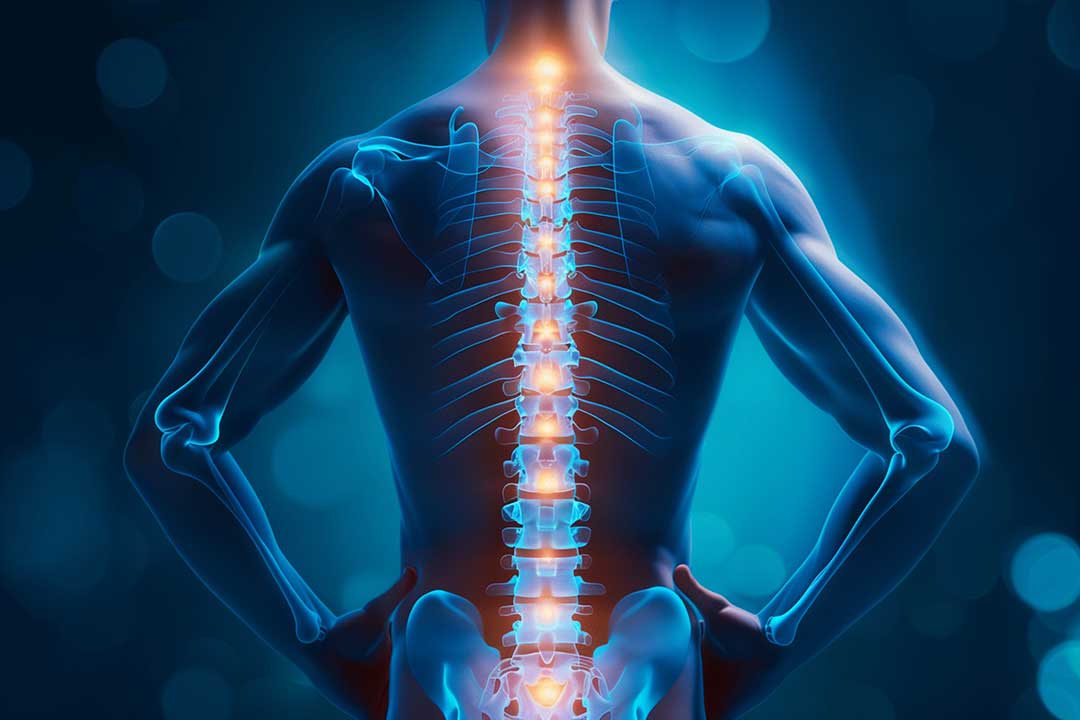
Chiropractors are required to complete several years of specialized graduate-level education, including anatomy, physiology, radiology, and spinal adjusting techniques. Their scope of practice in New York State is regulated, which allows them to diagnose certain conditions, order imaging, and provide specific treatments related to the spine and joints.
Massage therapists must also complete formal training and state-required licensing, focusing on anatomy, physiology, and numerous massage techniques. Their scope is limited to manipulating soft tissues and does not include spinal adjustments or diagnosing joint conditions.
When Might Local Residents Choose One Approach Over the Other?
For acute joint or spinal pain, decreased range of motion, or recurring headaches, individuals may lean toward chiropractic care for its diagnostic and structural focus.
For tight muscles after raking leaves, recovering from a local sports event, or managing everyday stress, massage therapy may be preferred for its emphasis on soft tissue relaxation and stress relief.
During cold, damp winters in the area, joint stiffness or back pain can increase for some residents, making chiropractic adjustments more appealing. On the other hand, physical tension from repetitive tasks (like snow shoveling or gardening) may respond well to massage.
Can Chiropractic and Massage Therapy Be Used Together?
Yes, many find benefit in combining both. For example, an individual experiencing both muscle tightness and joint misalignment might use massage to relax muscles before receiving a chiropractic adjustment. Sequencing the two may enhance results, especially for those engaged in physically demanding jobs or seasonal outdoor work common in the community.
Are There Safety Considerations?
Both chiropractic and massage therapy are generally safe for most individuals when performed by licensed practitioners. Chiropractic adjustments may not be recommended for people with certain medical conditions, such as severe osteoporosis or recent spinal surgery. Massage therapy, while gentle, may be avoided in cases of open wounds, some skin conditions, or blood clots.
Anyone unsure about their suitability for chiropractic or massage—especially those with complex medical histories or persistent symptoms—should consider discussing options with a primary care provider.
What Are Some Common Misconceptions?
– Chiropractic care is not just for “cracking backs”—its foundation is evaluating the entire neuromusculoskeletal system.
– Massage is not only for relaxation; targeted methods can address injuries, chronic pain, and aid athletic recovery.
– Both fields require extensive training and licensure; practitioners are medical professionals within their scope.
Understanding these distinctions helps area residents make informed, confident decisions about their musculoskeletal health, whether addressing sudden pains from winter slips or managing the effects of active, year-round living.
