
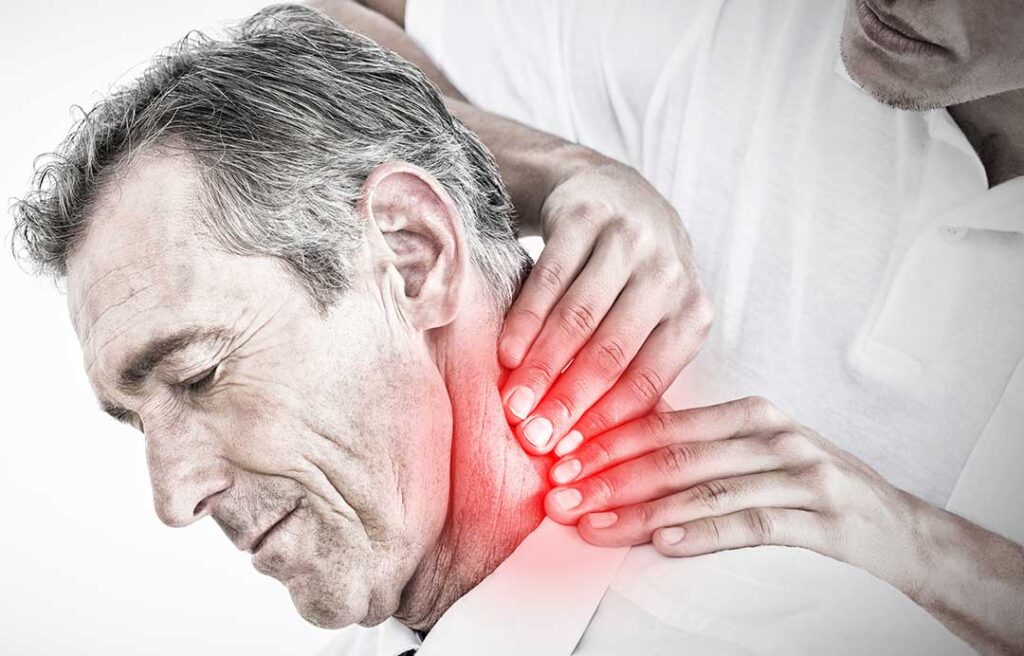
What Are Trigger Points in Muscles?
Trigger points are sensitive, tight knots found within muscle tissue. Many residents in Elmira, NY experience these small contractures as specific spots that feel sore or even painful when pressed. They can develop from local muscle strain, repetitive movements, poor posture, or stress, which are all common in busy households and those working physically demanding or stationary jobs.
Often, trigger points can be felt as small lumps—a bit like a firm pea or string under the skin—but not all are easy to detect this way. Trigger points are different from ordinary muscle soreness, as the pain often does not match the strain. Pressing on a trigger point can cause pain that travels or “radiates” to other, sometimes distant, parts of the body.
Why Do Trigger Points Form?
Trigger points form when tiny areas of muscle fibers contract and fail to relax. This can happen for several reasons:
- Repetitive movements, such as typing for long hours or lifting groceries with improper technique
- Poor posture, especially in long, cold winters when people spend more time indoors and may sit for longer periods
- Past muscle injuries, sports activities, or even slips on icy sidewalks
- Emotional stress leading to unconscious tensing of muscles
Everyday life in Elmira, with its variable weather and mix of indoor and outdoor activities, can contribute to these factors. For example, shoveling snow, raking leaves, or carrying heavy bags up porch steps may trigger muscle overuse.
How Do Trigger Points Cause Pain?
A trigger point creates a localized area of heightened sensitivity, but its effects are often felt elsewhere. This is called referred pain.
- For instance, a trigger point in the neck may cause headaches or pain behind the eye
- A knot in the upper back might make the arm or hand tingle or ache
Because the pain patterns can mimic other health issues, trigger points are sometimes overlooked or mistaken for joint, nerve, or internal problems.
These knots can also restrict normal movement, making simple motions—like reaching a high shelf or turning one’s head to back out of a driveway—uncomfortable or stiff.
What Are Common Signs and Symptoms?
Residents might notice:
- Deep, achy muscle pain that persists beyond a day or two
- Soreness or discomfort that doesn’t improve with basic home heat or ice packs
- Sensitive spots that hurt when pressed and may cause pain in another location
- Muscle stiffness, weakness, or surprising “jumps” when massaging a tender area
This pain can disrupt daily life, especially during seasonal chores or when keeping up with children and pets in the home.
What Triggers Their Onset in Local Households?
Many find their first experience with trigger points in predictable settings:
- Hours spent gardening or doing yard work in spring and fall
- Extended snow removal in winter without stretching or taking breaks
- Long car commutes during icy weather when muscles tense in cold or due to stress
- Prolonged screen time, whether for remote work or school, resulting in hunched shoulders and neck
These risk factors highlight why trigger points commonly frustrate people in the region, regardless of age group or lifestyle.
Practical Tips for Managing and Preventing Trigger Points

While not all muscle pain can be eliminated, area households can take steps to reduce the frequency and intensity of trigger points:
- Take short, regular breaks when doing repetitive tasks—like shoveling or desk work—to move and stretch
- Warm up before tackling major chores or outdoor exercise, especially in colder months
- Gradually ramp up intensity when starting new activities
- Use a tennis ball or foam roller to gently apply pressure to tight muscles at home
- Pay attention to posture, both sitting at desks and standing during household tasks
- Stay hydrated, as muscles are more prone to irritation when dehydrated
For minor aches, gentle movement and light stretching may help relieve discomfort. Applying moist heat—a warm towel or heating pad—can also help relax tightened muscle fibers.
Are Trigger Points and Muscle Pain the Same as Other Types of Pain?
Trigger point pain is a specific type of muscle discomfort. Unlike injury pain from a sprain or broken bone, this pain arises from the muscle itself rather than from nerves or bones. However, trigger points can sometimes feel similar to nerve pain or joint pain, leading to confusion.
A common misconception is that chronic pain always has a serious underlying disease or that soreness that doesn't go away quickly must be ignored or “worked through.” In reality, persistent muscle knots can benefit from gentle care and lifestyle adjustments but may take time to resolve.
When Should Residents Seek Medical Advice?
Most trigger points resolve with self-care and time. However, local residents should consult a healthcare provider if:
- Muscle pain is severe or not improving with home methods
- Pain is accompanied by other symptoms—such as numbness, tingling, or unexplained weakness
- There’s a recent injury or fall, especially with swelling or bruising
Persistent, unexplained pain should always be discussed with a trusted healthcare professional to rule out more serious causes.
How Does Local Lifestyle Affect the Prevalence of Trigger Points?
Seasonal tasks, temperature swings, and a mix of outdoor and indoor routines can all increase the likelihood of developing trigger points. For instance, the use of heavier coats and boots in winter, changes in daily routines due to weather, and the physical demands of property maintenance throughout the year can all lead to minor muscle strains.
Area households who balance desk work with active chores—like yard maintenance or snow shoveling—often report more trigger point issues than those with very consistent activity patterns or those able to maintain regular exercise routines year-round.
Being aware of these patterns and practicing small preventive measures daily may help reduce discomfort and improve overall muscle health throughout the year.
