
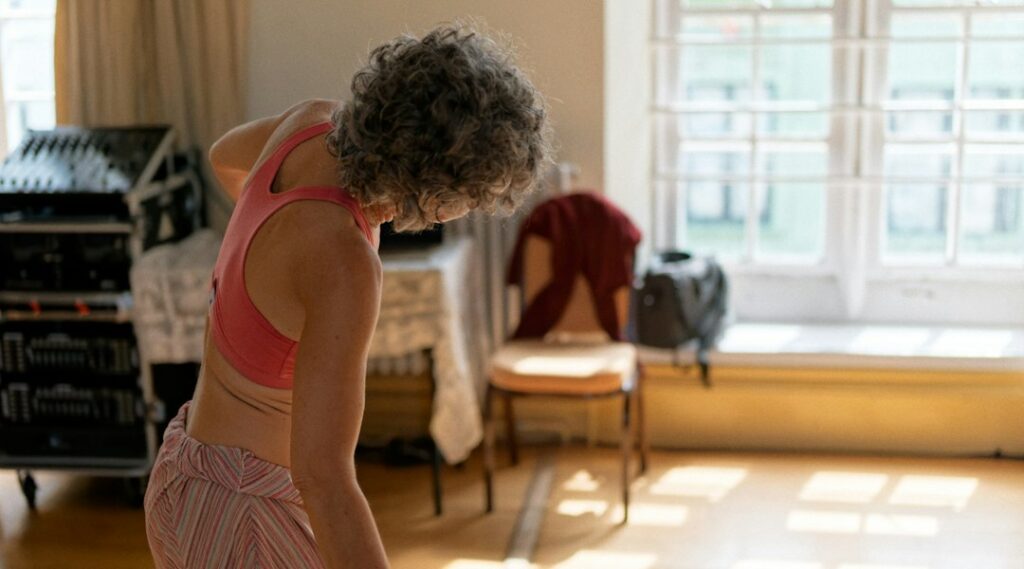
What does “mobility” really mean?
Mobility is more than the ability to walk. It includes moving comfortably through a normal day, such as standing from a chair, reaching overhead, turning the neck, climbing stairs, carrying groceries, or getting in and out of a vehicle.
Reduced mobility may develop gradually from joint stiffness, muscle weakness, an old injury, arthritis, prolonged sitting, poor sleep, or fear of pain. The most useful approach is usually not a single treatment. It is a combination of regular movement, strength, balance, flexibility, recovery, and attention to safety.
For residents of Elmira, seasonal conditions can also affect activity levels. Cold temperatures, snow, ice, and shorter daylight hours may lead people to spend more time indoors and move less. A realistic mobility plan should include both indoor and outdoor options.
Which natural habits help improve mobility?
The most reliable foundation is consistent, moderate movement that matches a person’s current ability. Walking, gentle cycling, water exercise, stretching, and controlled body-weight exercises can all support joint motion and physical function.
A simple weekly routine may include:
- Walking for several short periods rather than one long session
- Gentle range-of-motion movements for the neck, shoulders, hips, knees, and ankles
- Strength exercises two or more days per week
- Balance practice near a counter or sturdy chair
- Brief movement breaks during long periods of sitting
- Relaxation and sleep habits that support recovery
Adults are generally encouraged to work toward 150 minutes of moderate activity each week, along with muscle-strengthening activities on at least two days. That goal can be approached gradually. Five or ten minutes at a time still counts, especially for someone who has been inactive or is managing pain.
How can stretching help without making pain worse?
Stretching can reduce the feeling of tightness and make everyday movements easier, but it should not be forced. A useful stretch usually creates mild tension, not sharp pain, burning, numbness, or a sudden increase in symptoms.
Try moving slowly into a comfortable position and holding it for approximately 15 to 30 seconds. Breathe normally rather than bouncing. Common areas that benefit from gentle mobility work include:
- Calves and ankles, which affect walking and stair use
- Hips, which influence stride length and standing
- Upper back and shoulders, which affect reaching and posture
- Hamstrings, which may feel tight after prolonged sitting
- The chest, especially for people who spend much of the day at a desk
Warmth from a shower or a few minutes of easy movement may make stretching more comfortable. Stretching is only one part of mobility, however. Weak muscles, poor balance, or pain sensitivity may continue to limit movement if strength and coordination are not addressed.
Why is strength training important for flexibility and balance?
Stronger muscles help support joints and make ordinary tasks less demanding. Strength also contributes to balance, confidence, and the ability to recover from an awkward step or change in surface.
Useful starting exercises may include sitting down and standing up from a firm chair, wall push-ups, heel raises, supported leg lifts, and slow step-ups on a low step. Begin with a level that allows controlled movement and steady breathing. The exercise should not require holding the breath, jerking, or using momentum.
As strength improves, a person can gradually increase repetitions, resistance, or time. Progress should be slow enough that soreness does not interfere with normal activity the next day.
For older adults, balance exercises deserve special attention. Standing near a stable support, walking heel-to-toe along a counter, or practicing controlled weight shifts can help improve body awareness. Anyone with a history of falls should use additional support and avoid practicing balance exercises alone in an unsafe area.
Can walking help with joint stiffness or back discomfort?
For many people, walking is a practical way to improve circulation, endurance, joint movement, and confidence. It may also help reduce the effects of prolonged sitting. With back discomfort, extended bed rest often leads to more stiffness and weakness. Gentle activity, adjusted to tolerance, is generally more useful than complete inactivity.
Start with a manageable route or an indoor walking pattern. On icy or uneven days, indoor movement may be safer than outdoor walking. Supportive shoes with nonslip soles are helpful, and outdoor surfaces should be checked carefully during winter weather.
Pain that steadily worsens during walking, changes a person’s gait, or continues well after activity is a reason to reduce the intensity and reassess the plan. A mild temporary increase in awareness or stiffness can occur, but severe or persistent pain should not be ignored.
What role can chiropractic care play in mobility?

Chiropractic care may include education, movement advice, joint mobilization, or spinal manipulation. For some adults with low-back pain, spinal manipulation may provide modest improvements in pain and function. It is not a universal solution, and it should be considered alongside active strategies such as exercise and self-management.
A careful health history matters before any hands-on treatment. People should mention osteoporosis, recent trauma, cancer, inflammatory disease, blood-clotting problems, neurological symptoms, pregnancy, and medications that may affect safety.
Neck manipulation deserves particular caution because serious complications, although rare, have been reported. Sudden or forceful techniques may not be appropriate for everyone. A person should understand the proposed method, expected benefits, possible side effects, and reasonable alternatives before proceeding.
Mobility care should focus on measurable function, such as walking farther, turning more comfortably, standing longer, or completing household tasks with less difficulty—not simply on the number of visits or treatments.
How do sleep, weight, and stress affect movement?
Poor sleep can increase pain sensitivity, reduce energy, and make exercise feel more difficult. A regular sleep schedule, a comfortable sleeping environment, and less screen exposure before bed may support better recovery.
Body weight can also influence stress on the knees, hips, feet, and lower back. Weight changes should be approached gradually and without extreme dieting. Meals built around adequate protein, vegetables, fruit, whole grains, and fluids can support strength and general health.
Stress may contribute to muscle tension and increased awareness of pain. Slow breathing, guided relaxation, quiet walking, and gentle movement can help reduce the cycle of guarding and stiffness. These methods do not replace evaluation of a medical problem, but they may make movement easier to tolerate.
When should mobility problems be evaluated promptly?
New or worsening mobility loss should not automatically be attributed to aging. Medical evaluation is especially important after a fall or injury, or when symptoms include:
- New weakness, numbness, or loss of coordination
- Pain traveling down an arm or leg
- Loss of bladder or bowel control
- Fever, unexplained weight loss, or severe night pain
- Inability to bear weight
- Sudden difficulty walking or maintaining balance
- Chest pain, shortness of breath, or fainting
For less urgent concerns, persistent stiffness or pain that limits work, sleep, driving, or household activities also deserves attention. The goal is to identify the cause, select safe forms of movement, and prevent a temporary problem from becoming a long-term loss of function.
A practical starting plan for local residents
A reasonable first step is to choose one daily movement activity, one strength exercise, and one balance or flexibility exercise. For example, a person might take a ten-minute walk, perform several chair stands, and complete gentle calf and shoulder stretches.
During colder months, the same routine can be adapted to a hallway, basement, apartment, or other clear indoor space. During warmer weather, outdoor walking and yard activities may provide additional opportunities to build endurance.
The best mobility plan is one that is safe, repeatable, and connected to real-life goals—such as walking through a store, keeping up with household tasks, using stairs, or remaining independent.
