
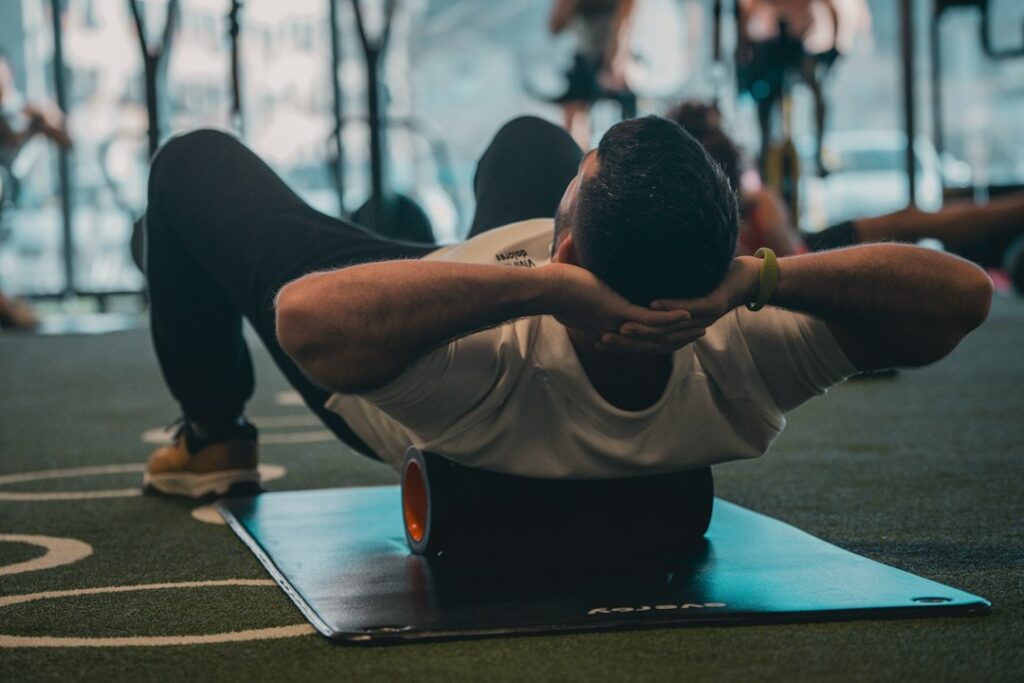
Why sports-related back injuries happen
Sports-related back injuries often develop from repeated stress rather than one dramatic accident. Poor movement patterns, limited flexibility, weak supporting muscles, sudden increases in training, and inadequate recovery can all place extra strain on the spine.
For athletes and active residents in Elmira, NY, seasonal changes may also affect preparation. Outdoor activities can shift quickly from winter conditioning to spring practices, summer recreation, or fall sports. Muscles and joints that have not adapted to a new activity may be more vulnerable during the first few weeks.
Common sports-related back problems include:
- Muscle strains from lifting, twisting, sprinting, or sudden changes in direction
- Irritated joints in the lower or middle back
- Overuse injuries caused by repeated extension or rotation
- Stress injuries that develop gradually, especially in young athletes
- Pain related to poor landing, throwing, or lifting mechanics
Back pain is not always a sign of serious damage, but it should not be ignored when it persists, worsens, or changes athletic performance.
How should athletes warm up before activity?
A useful warm-up gradually raises body temperature and prepares the movements required by the sport. Five to ten minutes of light activity followed by dynamic movement is generally more helpful than beginning with intense exercise or holding long static stretches before competition.
A practical warm-up may include:
- Brisk walking, easy jogging, or gentle cycling
- Controlled bodyweight squats
- Walking lunges with an upright posture
- Arm swings and trunk rotations performed within a comfortable range
- Hip-hinge practice using a neutral back position
- Sport-specific movements at gradually increasing speed
The goal is not to become fatigued. A warm-up should leave the athlete feeling mobile, alert, and ready to move. Sharp pain, catching, or unusual weakness is a reason to stop rather than push through the routine.
Static stretching can be useful after activity or during separate flexibility sessions. Stretching should feel mild and controlled, not painful or forceful.
Which muscles help protect the back?
The back receives support from the entire trunk, hips, and legs. Focusing only on the lower back can create an imbalance. Strong abdominal, hip, gluteal, and upper-back muscles help control the spine during running, jumping, lifting, and rotation.
Helpful exercises may include:
- Dead bugs for controlled abdominal activation
- Bird dogs for trunk and hip coordination
- Side planks for side-body strength
- Glute bridges for hip support
- Bodyweight squats for leg and trunk control
- Resistance-band rows for upper-back posture
Exercise quality matters more than the number of repetitions. The spine should remain controlled, breathing should continue normally, and the movement should not produce sharp or radiating pain. Athletes returning from an injury may need simpler versions before progressing to heavier resistance or faster movements.
How can athletes lift, land, and twist more safely?
Many back injuries occur during ordinary movements performed quickly or under fatigue. Safe technique reduces unnecessary loading.
When lifting equipment, weights, or objects:
- Keep the load close to the body
- Bend through the hips and knees rather than rounding the back
- Brace the trunk gently before lifting
- Move the feet to turn instead of twisting while carrying
- Ask for help with heavy or awkward objects
Landing mechanics also matter. A quiet, balanced landing with the knees and hips bending can help absorb force. Landing stiff-legged or with the trunk collapsing forward may increase stress through the back and lower limbs.
Rotation is part of many sports, including batting, throwing, swimming, racquet sports, and skiing. Athletes should develop rotation from the hips, upper back, and shoulders rather than forcing repeated movement through the lower back alone.
How quickly should training increase?
Training volume should rise gradually. A sudden jump in running distance, lifting weight, practice length, or competition frequency can overwhelm tissues that have not had time to adapt.
Warning signs of excessive progression include:
- Pain that returns during every practice
- Increasing stiffness from one day to the next
- Reduced range of motion
- Declining speed, balance, or coordination
- Needing to change technique to avoid discomfort
- Fatigue that does not improve with rest

A rest day does not have to mean complete inactivity. Easy walking, gentle mobility work, adequate sleep, and regular meals may support recovery without adding substantial stress. Athletes involved in school or community sports should also communicate when multiple practices, games, and strength sessions are scheduled close together.
Does cold weather increase the risk of back injury?
Cold conditions do not automatically cause a back injury, but they can make an unprepared body feel stiff and less coordinated. This can matter during outdoor activity in the colder months, especially when athletes begin intense movement immediately after arriving at a field, court, trail, or rink.
In colder weather:
- Add several minutes to the gradual warm-up
- Wear layers that allow muscles to stay warm
- Avoid remaining still for long periods before activity
- Pay attention to slippery surfaces and uneven ground
- Replace wet clothing when possible after practice
Indoor activity also requires preparation. A warm facility does not eliminate the need to raise body temperature and rehearse sport-specific movements.
What daily habits reduce sports-related back strain?
Training is only one part of injury prevention. Long periods of sitting, poor sleep, limited hydration, and carrying heavy bags can affect how the body performs during sports.
Students and active adults can reduce unnecessary strain by changing positions regularly during the day, using both shoulder straps on a backpack, and avoiding bags that are excessively heavy. A balanced sleep routine is especially valuable because tired athletes may have slower reactions and less consistent movement control.
Hydration and regular meals support concentration and physical performance. Dehydration does not directly explain every back injury, but it can contribute to fatigue, cramping, and reduced coordination.
When should back pain be checked?
Mild soreness that improves with rest and does not interfere with movement may settle over a short period. Pain deserves closer attention when it is severe, persistent, or associated with other symptoms.
An athlete should stop the activity and seek timely medical evaluation for:
- Pain after a hard fall, collision, or other significant impact
- Numbness, tingling, or weakness in a leg
- Pain traveling down the buttock or leg
- Loss of bladder or bowel control
- Fever, unexplained weight loss, or feeling seriously unwell
- Back pain that repeatedly wakes the person at night
- Symptoms that continue despite reduced activity and basic self-care
Young athletes should not be encouraged to hide symptoms to remain in a lineup. Continuing to play through worsening pain can change movement patterns and make recovery more difficult.
How can athletes return after a back injury?
Returning to sports should be gradual and based on function, not only on whether pain has decreased. An athlete should be able to walk, bend, rotate, perform basic strengthening movements, and complete sport-specific drills without a return of significant symptoms.
A sensible progression may move from:
1. Daily activities without worsening pain
2. Light aerobic exercise
3. Controlled strength and mobility work
4. Noncontact sport drills
5. Full-speed practice
6. Competition
The progression may need to slow down if pain, weakness, altered movement, or next-day soreness increases. A qualified healthcare professional should evaluate significant injuries, neurological symptoms, or pain that does not improve.
Preventing sports-related back injuries is less about avoiding movement and more about preparing for it. Consistent warm-ups, gradual training changes, good lifting and landing mechanics, adequate recovery, and attention to early warning signs can help athletes stay active throughout the seasons.
